Crochet vs. Yarn Dolls: Unraveling the Craftsmanship Behind Your Soft Companions
Welcome to SARAH’S WHISPER, a space where we unravel the stories woven into handmade treasures. If you’ve ever lovingly held a soft, handmade doll and wondered about the craft behind its creation, or found yourself using “crochet” and “yarn” interchangeably, this blog is for you. We’re diving deep into the heart of handmade to clarify a common confusion. Understanding the distinction between crochet and yarn is more than semantics; it’s a gateway to appreciating the skill, intention, and history embedded in every stitch. Whether you’re a seasoned crafter, a curious gift-giver, or someone who simply cherishes the warmth of handmade objects, this guide will empower you to discern the craftsmanship behind your soft companions and deepen your connection to the artisanal world. We’ll explore the fundamental differences, uncover why the mix-up happens, and provide you with a practical guide to becoming a more knowledgeable admirer of these beautiful creations.
1. Crochet and Yarn: The Fundamental Divide Between Craft and Material
Imagine stepping into a kitchen. You have your ingredients laid out—flour, sugar, eggs. You also have your methods—baking, frying, steaming. Now, let’s translate this to the world of soft dolls. Yarn is your ingredient. It’s the spun thread, the soft, pliable medium that comes in skeins of wool, cotton, or acrylic. It is the material. Crochet, on the other hand, is your recipe, your method. It is the specific technique of using a single hooked needle to create fabric by pulling loops of thread through other loops. It is the craft. This is the fundamental divide: one is the substance, the other is the action. A simple analogy: Crochet is like the verb ‘to bake,’ while yarn is the ‘flour.’ You need flour to bake a cake, but you can also use flour to make pasta—a different process altogether. Similarly, while most crochet projects use yarn, the craft itself is defined by the tool and the technique, not solely by the material. Understanding this core distinction is the first step in seeing the handmade world with new, appreciative eyes.
2. The Great Confusion: Why We Mix Up Crochet and Yarn
If the difference is so clear, why do we constantly mix them up? The confusion is completely normal and, in fact, incredibly common. There are three key reasons for this widespread mix-up. First, there’s the Overwhelming Association. Walk into any craft fair, and you’ll see that the vast majority of crochet creations—especially adorable amigurumi dolls—are made from yarn. The two are so frequently paired that they become linked in our minds, like peanut butter and jelly. Second, they share a Unified Aesthetic. Both crochet work and yarn material inherently project a sense of warmth, comfort, and handmade charm. This shared vibe makes it easy to gloss over the technicalities and lump them together under the cozy umbrella of “handmade.” Finally, Colloquial Speech solidifies the bond. We often say, “I crocheted a yarn doll,” seamlessly blending the action and the material in a single phrase. This everyday language reinforces the idea that they are one and the same. So, if you’ve ever used the terms interchangeably, rest assured—you’re not alone. It’s a natural result of how deeply intertwined crochet and yarn are in our crafting culture.
3. Your Guide to Distinguishing Crochet from Yarn
Now that we understand the why behind the confusion, let’s equip you with the how—how to become a savvy distinguisher of craft and material. The key is to remember that crochet is not limited to yarn, and yarn is not exclusive to crochet. Let’s break that down. On one hand, Crochet Beyond Yarn: The crochet technique can be executed with a variety of materials. Think of delicate cotton thread used for intricate doilies, sturdy rope for market bags, or even fine lace thread for elegant jewelry. These are all crochet items, but they are not made from what we typically call “yarn.” The defining feature is the distinct, often textured, interlocking loop structure created by the hook. On the other hand, Yarn Beyond Crochet: That soft skein of yarn you love is a versatile player. It can be used in knitting, which typically uses two needles to create a V-shaped stitch pattern, resulting in a stretchy fabric often used for sweaters and socks. It can be used in punch needle, weaving, or even simple pompom making. A doll made from yarn could very well be a knitted doll, not a crochet one. So, the next time you see a soft companion, ask yourself: “Is this defined by its technique (the hooked loops of crochet) or its material (the cozy yarn)?” This simple question will unlock a new layer of understanding.
4. Crochet Dolls vs. Yarn Dolls: Defining Your Soft Companion
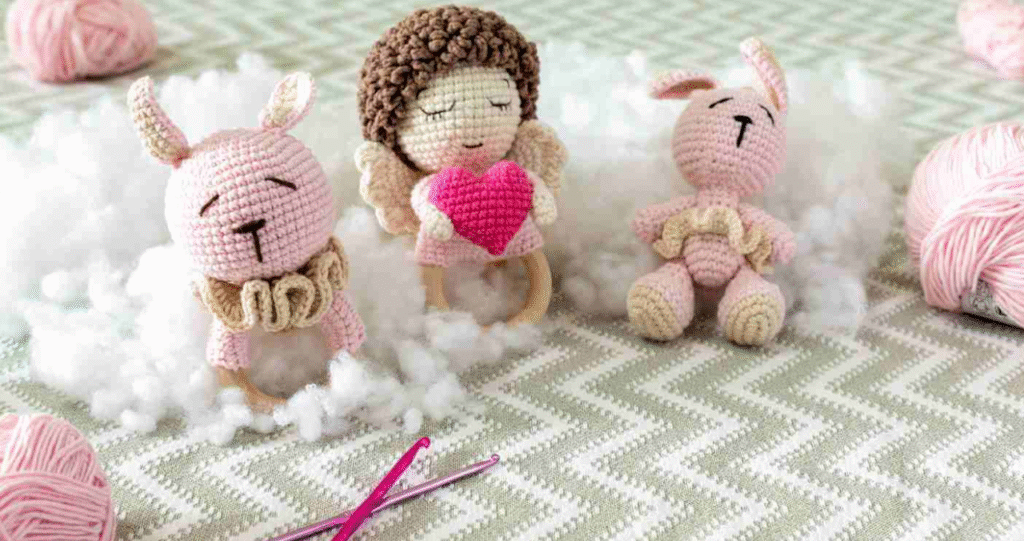
With our new knowledge, we can now confidently define what we mean when we say “crochet doll” or “yarn doll.” A crochet doll is defined by its construction. It is a doll brought to life through the art of crochet, characterized by its distinct texture—a fabric of interconnected loops that can be remarkably sturdy and detailed, perfect for shaping the whimsical curves of an amigurumi animal or a classic rag doll. When you call a doll “crochet,” you are paying homage to the technique, to the maker’s skill with a hook. Conversely, a yarn doll is defined by its essence. It is a doll whose primary material is yarn. This term speaks to the tactile experience—the warmth, softness, and fuzzy embrace of the material itself. It could be a crochet doll, a knitted doll, or a doll made through other means like wrapping or tying yarn. So, while in casual conversation the line is often blurred, knowing the difference allows you to appreciate the specific choices made by the artist. Calling a piece a “crochet doll” highlights the craftsmanship; calling it a “yarn doll” celebrates the material’s inherent comfort. And often, the most beloved companions are those that beautifully combine both—a testament to skilled crochet work using soft, inviting yarn.
5. The Secret Language of Loops: A Brief Look at Knitting vs. Crochet
To fully grasp why “yarn doll” is an incomplete description, it helps to briefly meet crochet’s closest cousin: knitting. Both crafts use yarn, but they speak different “languages” with their loops, resulting in distinct fabrics. Crochet uses a single hook to create a series of interlocking loops. Each stitch is completed before the next begins, forming a thick, often textured fabric that has less inherent stretch. This structure makes it ideal for creating firm, detailed three-dimensional shapes like our beloved crochet dolls. Knitting, in contrast, uses two (or more) needles. The stitches are held openly on the needles, creating rows of interconnected “V” shapes. This structure gives knitted fabric its characteristic elasticity and drape, which is why it’s the go-to for socks, sweaters, and many classic stuffed toys. A quick visual cue: look for the “V”s for knitting, and a more varied, knot-like or braided texture for crochet. Understanding this distinction empowers you to see that a “yarn doll” could be a stretchy, “V”-patterned knitted doll or a sturdier, textured crochet doll. It’s the technique that tells the full story.
6. Choosing Your Craft: Is Crochet or Knitting Easier
Inspired to create your own soft companion? A natural question arises: which path is easier to start, crochet or knitting? While “easy” is subjective, many beginners find crochet to be a very accessible gateway into the world of yarn crafts. One of the biggest advantages of crochet is its forgiveness. With only one active loop on the hook at a time, it’s generally easier to pause your work, identify a mistake a few rows back, and fix it without having to unravel everything. This makes it less daunting for newcomers. Furthermore, creating three-dimensional shapes like our beloved crochet dolls is often more straightforward with a hook, as you are building the form stitch by stitch directly. Knitting, with its multiple live stitches, can require more complex techniques like increasing and decreasing to shape a doll. That said, many knitters find the rhythmic motion of two needles meditative and can produce large, flat pieces like scarves very quickly. The best choice depends on your goals. If your heart is set on creating adorable, detailed handmade doll characters, crochet might be your perfect starting point. If you dream of crafting cozy wearables, knitting could be your call. The most important step is simply to begin—to pick up a hook or a pair of needles and let the yarn guide your hands.
7. The Forever Link: How Handmade Dolls Weave Stories of Connection
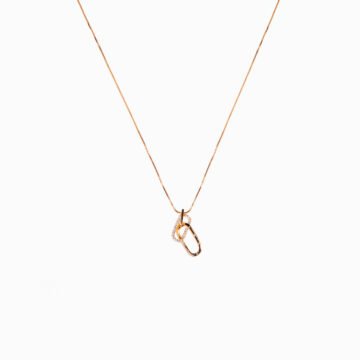
Beyond the loops, the materials, and the techniques, lies the true magic of both crochet dolls and yarn dolls: the human connection they embody. A handmade doll is never just an object; it is a physical manifestation of time, care, and story. Each stitch in a crochet amigurumi is a deliberate act of creation. The choice of a specific yarn—its color, its softness—is a thoughtful decision. Together, they weave a narrative. This doll becomes a companion for a child, a comfort for a friend, a cherished heirloom passed down through generations. It carries the energy of its maker and the love of its giver. This profound power to connect is what we celebrate at SARAH’S WHISPER. It’s the same philosophy that inspires our other creations, like the Interlocking Necklace, designed as a timeless symbol of unbreakable bonds. Just as a handmade doll can represent the enduring link between a grandparent and a grandchild, our jewelry seeks to capture those same whispers of love, legacy, and connection. Whether woven from thread or forged from metal, these artifacts remind us of what truly matters—the stories we tell and the bonds we cherish, forever linked by the heart.